Developmental Co-ordination Difficulties (DCD)
What is DCD?
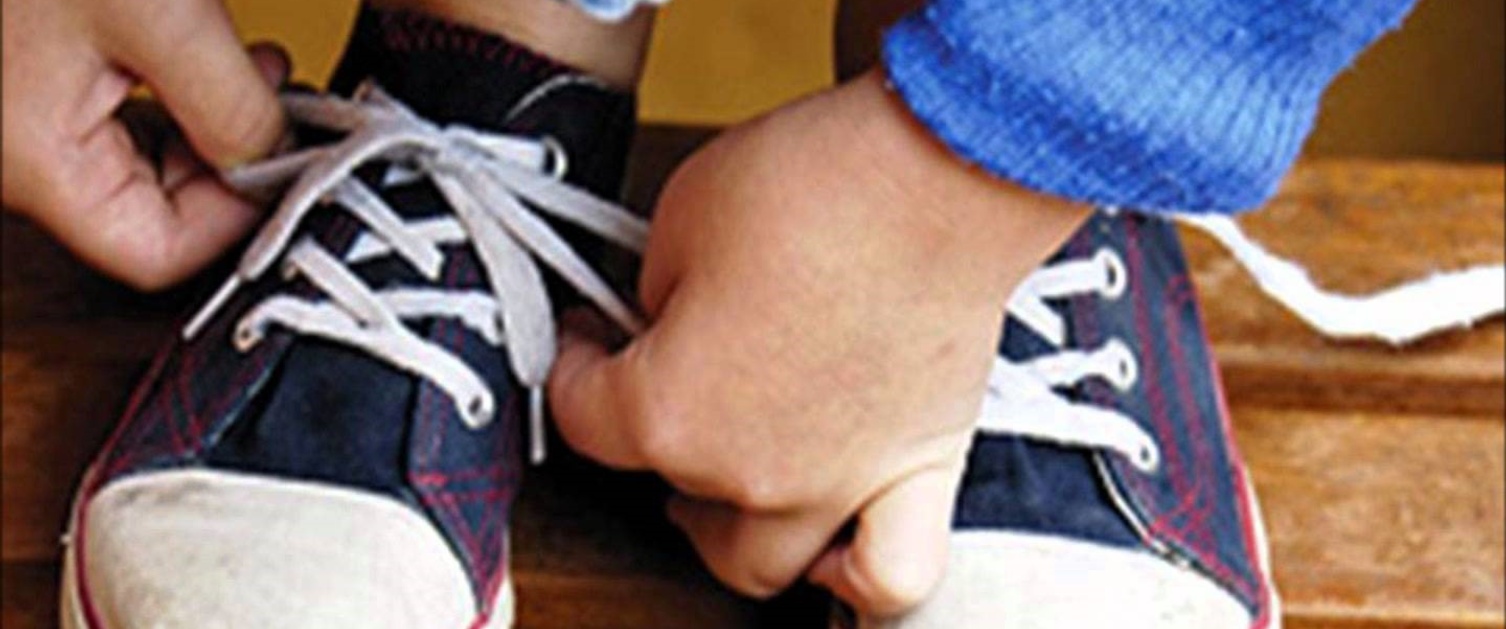
Developmental Coordination Disorder is a term used to describe co-ordination difficulties that can affect a person’s ability to carry out with ease everyday activities e.g. dressing, handwriting, playing (football), and balance.
More boys than girls have been diagnosed with this condition. In a setting of 100 children, 10 may be affected by this.
How your child may present
- Poorly co-ordinated (Falling and bumping into people/objects)
- Difficulties with recording school work e.g. handwriting
- Avoids activities he/she know are difficult to achieve
- Fidgety
- Low level confidence
- May be socially isolated
- Struggles with sports/PE
- Poor concentration
For more information see the Dyspraxia Foundation website. Or maybe you would like to check out the DCD Resource Pack developed by Swansea paediatric therapists and Education.
After reading the Dyspraxia Foundation Website or our DCD Resource Pack then here is the DCD Pathway and a Selection of Programmes you might find useful.
Crossing the midline of the body is an essential skill to learn as it promotes body awareness, encourages weight transfers and balance and improves trunk and core stability. Here is a handy Crossing the Midline Programme to help develop this skill.
The following In-Hand Manipulation Exercises are designed to help you use and build up the small muscles within the hand.
These Hand Warm-Up Exercises help to warm up the joints of the hand prior to handwriting.
The following Alerting Strategies can help a child who is under-reactive to sensory input, passive or lethargic become more focused and attentive.
These Motor Planning activities can help to develop a child's ability to conceive, organise and carry out a sequence of unfamiliar actions.
Information for Teachers:
This Questionnaire is for your use to guide you to think about how the child is affected and what can be put in place to help the child in the first instance.
This Assessment and Additional Evidence Form should be filled in when referring a child to the Community Paediatrician.
Both the questionnaire and the additional evidence form should be appended to the referral form when making a referral to the Paediatrician
How a Physiotherapist can help?
Treatment is based on assessment of your child’s needs and advice may be provided to school and parents on specific activities, exercises and games to improve your child’s motor skills. These could be individualised programmes or group or leisure activities. You may also be advised on compensatory strategies.
Intervention should reflect the underlying functional difficulties and the principal aims of intervention are to promote the child’s development and to optimise their functional performance in daily activities and to reduce secondary difficulties or disabilities.
How an Occupational Therapist can help?
An Occupational Therapist looks at the impact DCD has on all aspects of activities of daily living but with a particular emphasis on how a person processes sensory information and how they manage fine motor skills. Depending on the age of your child this condition may affect your child’s ability to develop and learn, manage activities of daily living [e.g. self-care, writing] or access leisure or play activities [e.g. bike riding skills].
Occupational Therapy advice or intervention aims to help maximise your child’s performance in all aspects of their daily functional skills. An Occupational Therapist may provide individual programmes of advice and strategies, advise on suitable pieces of equipment, or suggest techniques to help your child compensate when carrying out activities they find difficult.
It must be noted that DCD is a lifelong condition and therefore it is essential for your child to learn coping strategies to aid their learning and development. The advice and programmes suggested by an Occupational Therapist will need to be adopted as part of the child's lifestyle to be of benefit.
Useful contacts:
- https://www.canchild.ca/en/diagnoses/developmental-coordination-disorder
- www.cafamily.org.uk
- www.snapcymru.org Swansea: primary schools DCD packs (see school SENCo)
- www.disability-sport-wales.org
- Book developmental Coordination Disorder Advice and Strategies by Marven Ball
Relevant Occupational Therapy Home Programmes available for members on this website:
- Advice for parents of children with Developmental Co-ordination Disorder
Rydym yn croesawu gohebiaeth a galwadau ffôn yn y Gymraeg neu'r Saesneg. Atebir gohebiaeth Gymraeg yn y Gymraeg, ac ni fydd hyn yn arwain at oedi. Mae’r dudalen hon ar gael yn Gymraeg drwy bwyso’r botwm ar y dde ar frig y dudalen.
We welcome correspondence and telephone calls in Welsh or English. Welsh language correspondence will be replied to in Welsh, and this will not lead to a delay. This page is available in Welsh by clicking ‘Cymraeg’ at the top right of this page.