Ear wax removal service and advice
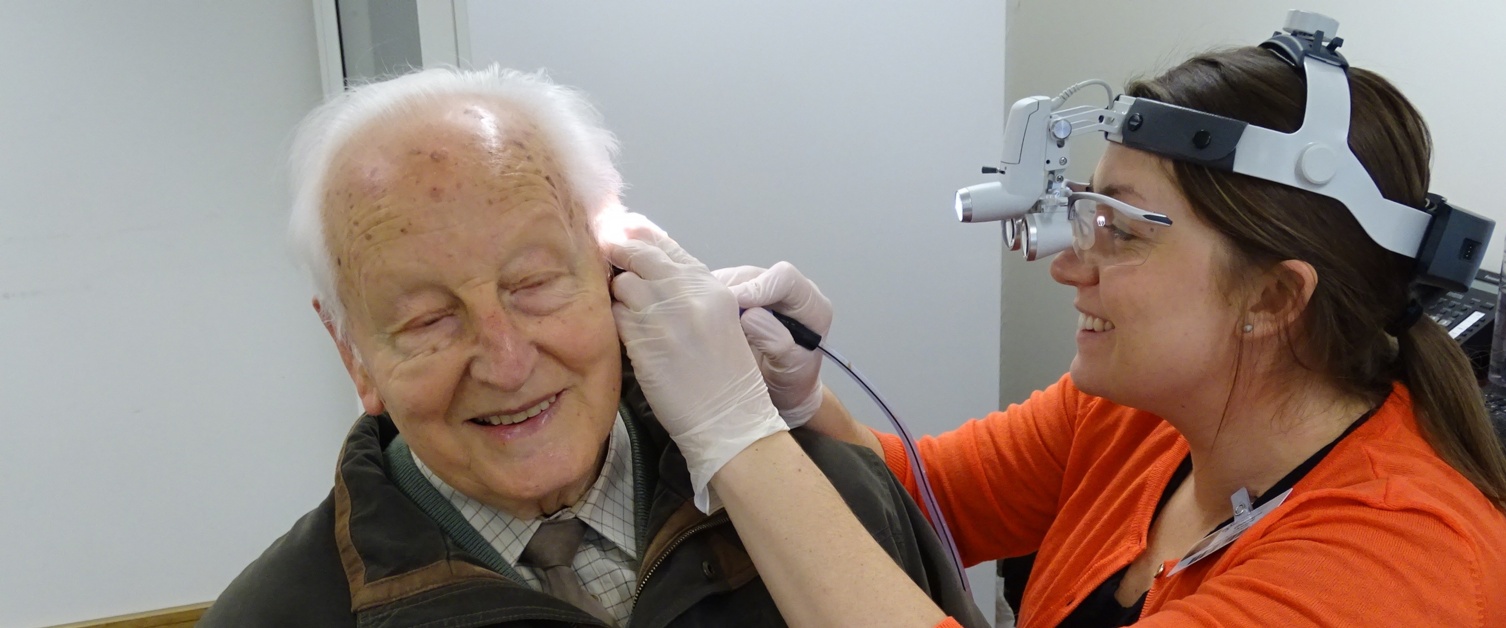
What is Microsuction?
If you have attempted self management of ear wax and the wax does not come out by itself, you may need the wax removed by microsuction. The National Institute of Clinical Excellence (NICE) recommends microsuction as the best way to remove wax. It involves a small tube which is used to suction out any wax in your ear. It is advised to use olive oil before microsuction to make the wax easier to remove.
What does Microsuction feel like?
Microsuction can be noisy and sometimes you can feel and hear the wax being removed from your ear. If you experience any discomfort, you can ask to stop at any time. If you have any concerns, please speak to the audiologist before the procedure.
After having the wax removed, your ears may feel different. Your hearing may seem better or you may notice a temporary reduction in your hearing. Tinnitus can also be aggravated temporarily but this should settle in a few days. Some people experience dizziness but this is rare. If you notice any problems, please return to the audiologist for further advice.
Drops and sprays to aid self management of ear wax are available at local supermarkets and pharmacies.
There are no facilities for hearing aid repairs in any of our Primary Care Clinics. Should you have an issue with your hearing aid please contact the main hospital sites.
Self management of ear wax
What to do about wax build up:
If ear wax is not causing you any problems, it is best left alone. The ear is self cleaning and often the wax will come out without you needing to do anything.
Sometimes ear wax can build up enough to cause hearing loss and other problems. Wax build up is more likely to happen to people who naturally have narrow ear canals, people who work in dusty environments, those who need to use ear plugs to protect their hearing at work, and hearing aid users.
Self help:
The first step in treating problematic ear wax is to soften the wax to see if it comes out by itself.
DO NOT: try to remove with a cotton bud or any other object as this can damage your ear and push the wax further down the ear onto the ear drum, making the problem worse. Using cotton buds, matchsticks or other items to try to clean out the ear canals is one of the most common causes of impacted wax. Using cotton buds or other objects can also damage the ear canal, and can even cause perforation of the ear drum.
DO: use olive oil ear drops once a day for seven days in order to soften wax.
To use ear drops:
- Allow the olive oil to come to room temperature naturally. Do not heat the oil.
- Lie on your side with the affected ear facing upwards. Pull the ear gently backwards and upwards to open and straighten the ear canal. This will allow the drops to enter deeper into the ear.
- Carefully let three droplets of olive oil fall into your ear. You may find it helpful to have somebody help you.
- Gently massage the area directly in front of the ear.
- Lie still for at least five minutes to ensure the ear drops have penetrated properly.
- If you need to treat both ears, turn over onto your other side and repeat the process.
DO NOT insert cotton wool or tissue paper into your ears as this can absorb the oil, leaving the wax dry and hard.
To make an appointment for ear wax removal, you need to contact your GP surgery. Go here to the 'Accessing audiology for the first time' page on the SBUHB website to see if your GP surgery is part of the Swansea Bay UHB area.
Rydym yn croesawu gohebiaeth a galwadau ffôn yn y Gymraeg neu'r Saesneg. Atebir gohebiaeth Gymraeg yn y Gymraeg, ac ni fydd hyn yn arwain at oedi. Mae’r dudalen hon ar gael yn Gymraeg drwy bwyso’r botwm ar y dde ar frig y dudalen.
We welcome correspondence and telephone calls in Welsh or English. Welsh language correspondence will be replied to in Welsh, and this will not lead to a delay. This page is available in Welsh by clicking ‘Cymraeg’ at the top right of this page.