Public reminded antibiotics aren't needed for common dental issue
Dental staff in Swansea Bay are reminding people that antibiotics aren’t needed when it comes to relieving discomfort caused by a common complaint.
It can be a common misconception that antibiotics are needed to help cure toothache.
However, most of the time toothache is caused by tooth decay, cracks in teeth, gum inflammation or irritation of the nerve inside the tooth.
Antibiotics work by treating bacterial infections so do not have any impact when it comes to relieving pain or inflammation caused by toothache.
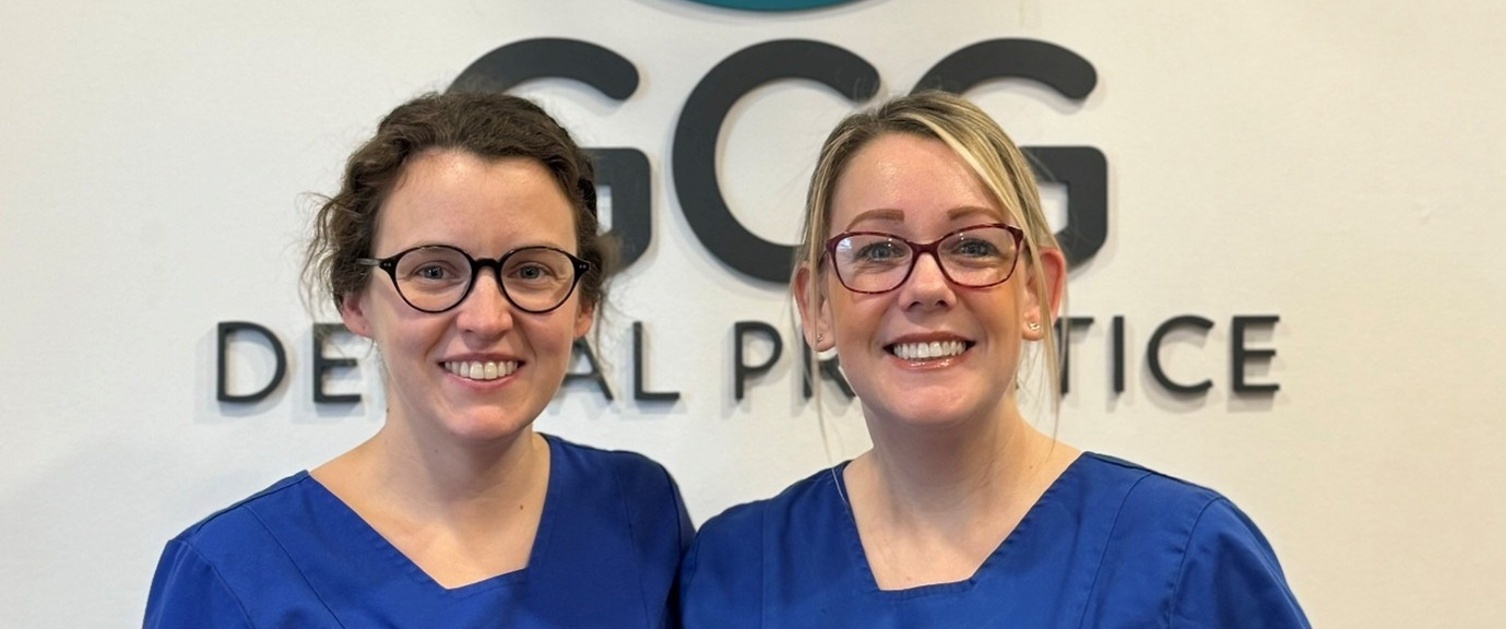
Pictured: Yvette Powe, dentist, and Gemma Pritchard, dental nurse at GCG Dental Practice.
Yvette Powe, a dentist at GCG Dental Practice and dental lead for Cwmtawe and Upper Valleys Local Cluster Collaboratives (LCCs), said: “Antibiotics work by treating systemic bacterial infections affecting the whole body. They do not relieve pain, reduce inflammation, or repair damaged teeth.
“These problems cause pain because of inflammation and irritation of the nerve, not because of bacteria spreading through the body.
“That’s why taking antibiotics for toothache usually makes no difference to symptoms and delays proper treatment.
“Antibiotics may be needed in dentistry when there are clear signs of a spreading infection, such as facial swelling, fever, or difficulty swallowing or breathing, for example.
“Even in those cases, antibiotics are only used alongside, not instead of, dental treatment.”
People who are experiencing toothache are advised to contact their dental practice to make an appointment with a dentist.
Those who do not have a regular dental practice or have an urgent dental problem outside normal working hours should ring 111 for advice and help in finding an urgent dental appointment if required.
People can also apply for a place with an NHS dentist by using the Dental Access Portal. Follow this link to the Dental Access Portal page.
While organising an appointment with a dentist you can take painkillers such as paracetamol or ibuprofen (if safe to do so), eat soft foods and avoid really hot or cold food and drink (such as hot drinks or ice cream), or seek further advice from a community pharmacy if needed.
Gemma Pritchard, a dental nurse at GCG Dental Practice, said: “Even after a patient has come into the practice and been treated for toothache, many still ask if they need antibiotics.
“We always explain that we have treated the source of the problem, which will be the tooth or gum around it, so antibiotics are not needed.
“As well as seeing a dentist as soon as possible, we do advise patients to take appropriate pain relief, such as paracetamol or ibuprofen, if it is safe for them to do so. These can help them to temporarily manage their symptoms.
“And, of course, we recommend brushing with a good, fluoridated toothpaste twice a day for two minutes and cleaning in between the teeth. This will help to remove bacteria in the mouth, helping to reduce the risk of pain and problems.
“People should seek urgent help at the Emergency Department if they develop a facial swelling that makes it difficult to breathe or swallow, extends towards the eye or stops them from opening their mouth fully.”
Taking antibiotics when they aren’t needed can create a risk of antimicrobial resistance, where bugs are exposed to antibiotics and develop a way of overcoming their actions so they will no longer work.
Antibiotics are different to other medications and become less effective the more people use them, so it is important to only use them when they are really needed.
“Antimicrobial resistance is increasing,” Yvette added.
“Unnecessary use of antibiotics allows bacteria to become resistant, making future infections much harder to treat.
“It is important we only take antibiotics when we really need them, and we do not need them for toothache.”
Upper Valleys LCC lead and pharmacist at the Vale of Neath Pharmacy, Niki Watts said: “Across our cluster, we are seeing just how important it is to use antibiotics responsibly.
“Toothache is almost always a result of a problem that needs dental treatment, not antibiotics.
“By helping people understand this, we can protect patients today while safeguarding the effectiveness of antibiotics for the future. Supporting this campaign is vital to improving oral health and reducing unnecessary antibiotic use across our communities.”
Rydym yn croesawu gohebiaeth a galwadau ffôn yn y Gymraeg neu'r Saesneg. Atebir gohebiaeth Gymraeg yn y Gymraeg, ac ni fydd hyn yn arwain at oedi. Mae’r dudalen hon ar gael yn Gymraeg drwy bwyso’r botwm ar y dde ar frig y dudalen.
We welcome correspondence and telephone calls in Welsh or English. Welsh language correspondence will be replied to in Welsh, and this will not lead to a delay. This page is available in Welsh by clicking ‘Cymraeg’ at the top right of this page.