Quitting smoking - real life stories
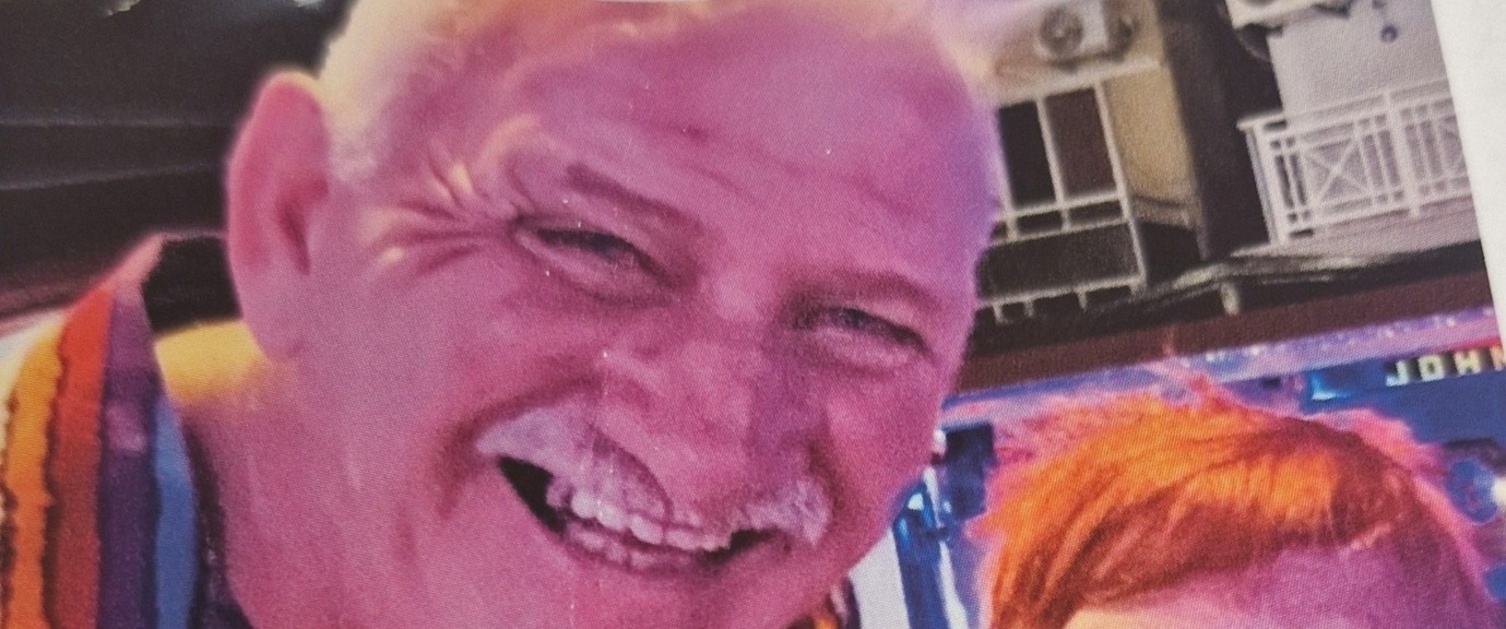
John Morcom
Background
John, a 69-year-old man, had smoked since the age of 14. Despite a previous minor stroke and awareness of the long-term risks, he continued smoking into late adulthood. His wife, a non-smoker living with COPD, had long hoped he would quit, but the habit persisted for over five decades.

Medical crisis
In October 2025, John experienced a severe viral brain infection that led to prolonged hospitalisation. He spent nearly a month on a dementia ward, where he suffered constant and distressing hallucinations, many involving themes of death. He struggled to differentiate reality from hallucination, found himself talking to people who were not present, and at times clashed with the nursing staff. He also feared that the infection might spread to his heart.
Treatment required intensive medical support, including antiviral medication, antibiotics, and anti-seizure medication—much of it delivered intravenously. Due to years of smoking, his veins had hardened, making cannula insertion challenging for the clinical team.
Catalyst for change
While confined to his hospital bed, John had no opportunity to smoke. This, combined with the severity of his illness, became the turning point. He recognised that smoking had likely contributed to his condition and realised the seriousness of the warning he had been given. This time, unlike after his earlier stroke, he decided he had to quit for good.
Support and intervention
During his hospital stay, John was visited by the Help Me Quit team. They explained the support available and started him on a programme that included daily nicotine patches, which he continued using after discharge. He describes the team’s support as “amazing,” praising their guidance and encouragement throughout his recovery.
Outcome
Today, John identifies as a non-smoker. Although he acknowledges that quitting is not easy, he was surprised to find it less difficult than expected, especially with proper support and a powerful reason to change.
His health has already improved:
- Better breathing
- Improved overall wellbeing
- A healthier appetite
- Reduced health risks for both himself and his wife
Financially, quitting is also life-changing—he expects to save over £5,000 per year, money he plans to use for memorable holidays with his family.
Reflections
John expresses both gratitude and regret—gratitude for the support that helped him stop smoking, and regret that he didn’t quit many years earlier. His message to others is clear:
“Life is precious and sometimes cut short. I don’t pretend quitting is easy, but your life will be longer without cigarettes. Listen to the advice, accept the help, and make the change. I should have given up smoking years ago.”
Nicola
Background
Nicola began her quit attempt with the Help Me Quit programme in November 2025. She had been a smoker for many years and was living with several long-term health conditions, including fibromyalgia and a spinal condition that required her to use a walking stick for mobility. These health challenges had a significant impact on her daily life and wellbeing.

Nicola is also passionate about singing and had recently joined a local soft rock band. However, she was experiencing a hoarse voice and frequent sore throats after singing, which she recognised as being linked to her smoking.
Motivation to quit
Nicola’s primary motivation to quit smoking was to improve her health, particularly in light of her existing medical conditions. She was also strongly motivated by her family, especially her children, and wanted to be a positive role model for them. In addition, Nicola hoped that quitting smoking would improve her vocal strength and allow her to continue enjoying singing without discomfort.
Support and process
Nicola engaged fully with the Help Me Quit programme. She identified her main smoking triggers as stress, emotional changes (feeling happy or sad), and social situations, particularly those involving alcohol.
She commenced nicotine replacement therapy (NRT), using nicotine patches alongside an inhalator. She found the inhalator especially helpful during moments when she would normally smoke. Nicola also attended weekly behavioural support sessions for six weeks, which helped her better understand her triggers and develop effective coping strategies.
Nicola advised that without the help, support and positive encouragement from her practitioner that she would have most likely given up trying to quit, Nicola felt grateful for the practitioner believing in her and constantly keeping her on track.
Challenges and breakthroughs
Managing emotional and social triggers was initially challenging for Nicola, particularly in situations where alcohol was present. However, through regular behavioural support, she learned alternative ways to respond to these triggers without smoking.
A major breakthrough came early in her quit attempt. Within two weeks of starting the programme, Nicola successfully stopped smoking. In the weeks that followed, she noticed significant improvements in her breathing, a return of her sense of taste and smell, and increased energy levels, which helped her feel more motivated and able to engage in daily activities. Importantly, her singing voice became stronger and clearer, a change that was also noticed by her bandmates and boosted her confidence and happiness.
Reflection and impact
Nicola reported feeling very pleased that she had joined the Help Me Quit programme. She felt the support had made a substantial difference to both her health and her finances. The improvements in her energy levels, alongside her physical and emotional wellbeing, reinforced her commitment to remaining smoke free. Nicola expressed optimism and excitement about maintaining a smoke-free future.
Louis Vandarl
Background
Louis joined the Help Me Quit Programme in November 2025. He had been smoking from a young age and had a long-standing, established habit. Due to the duration and intensity of his smoking, Louis initially felt uncertain about his ability to achieve abrupt cessation.

Motivation to quit
Louis’s primary motivation to quit smoking was his wife’s pregnancy. It was extremely important to him that his unborn son grew up in a smoke-free environment. He wanted to be a present and involved father, able to help with night feeds without needing to change clothes that smelled of smoke before holding his child. Financial considerations were also significant, as Louis wanted to have more disposable income to better provide for his growing family.
Support and process
Louis was offered a twelve-week course of free nicotine replacement therapy (NRT), alongside six sessions of behavioural support with a Smoking Cessation Practitioner at his local surgery. These sessions focused on managing triggers, cravings, and urges, building and sustaining motivation, setting SMART goals, and supporting behavioural and lifestyle changes.
With this support, Louis successfully quit smoking within two weeks of starting the programme. He found the NRT to be highly effective and reported that regular weekly carbon monoxide (CO) readings were particularly motivating, as they allowed him to clearly see his progress.
Challenges and breakthroughs
Louis faced challenges during social situations such as weekends away and nights out where other people were smoking. However, he managed these situations by planning ahead, ensuring he had his NRT available, and openly discussing his quit with his support networks. He also used coping strategies learned during behavioural support sessions, including distraction techniques and breathing and mindfulness exercises, which helped him overcome cravings.
Reflection and impact
Louis reported feeling “amazing” since quitting smoking. He described a more positive mental attitude, the disappearance of the constant urge to smoke, increased energy levels, and the return of his taste and smell. Most importantly, Louis felt proud that he had potentially added ten years to his life and significantly reduced his risk of serious illnesses such as cancer, strokes, and heart disease. These additional healthy years mean he can be a more present and active father to his children.
Louis praised the Help Me Quit service, stating that he likely would not have been as focused or successful without the support provided. Financially, he has enjoyed the benefits of his quit, including being able to afford more family holidays and occasional Chinese takeaways.
Louis’s advice to others considering quitting smoking is:
“If you want to quit and you don’t think it’s possible, it is possible because you are stronger than you think.”
Rydym yn croesawu gohebiaeth a galwadau ffôn yn y Gymraeg neu'r Saesneg. Atebir gohebiaeth Gymraeg yn y Gymraeg, ac ni fydd hyn yn arwain at oedi. Mae’r dudalen hon ar gael yn Gymraeg drwy bwyso’r botwm ar y dde ar frig y dudalen.
We welcome correspondence and telephone calls in Welsh or English. Welsh language correspondence will be replied to in Welsh, and this will not lead to a delay. This page is available in Welsh by clicking ‘Cymraeg’ at the top right of this page.