Measles, Mumps, Rubella (MMR) and Varicella (MMR-V) vaccinations
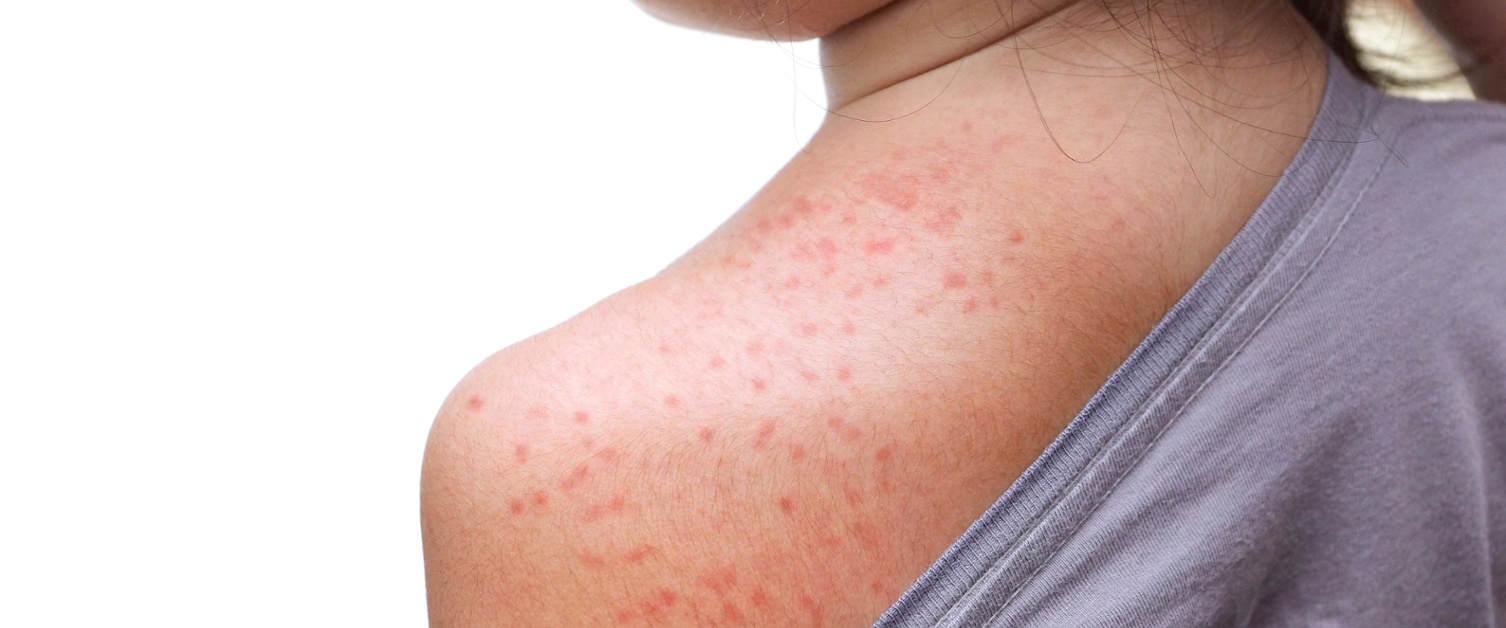
Swansea Bay University Health Board is encouraging children, teenagers and adults who have not had two doses of the Measles, Mumps and Rubella (MMR) vaccine, or the MMRV vaccine in certain ages, to arrange vaccination with their GP as soon as possible.
The MMR vaccine is safe and effective, and protects against measles, mumps and rubella (German measles). These diseases are highly infectious and can very easily spread between people who are not vaccinated.
Measles can make children and adults very unwell, and some people who are infected will suffer life-changing complications.
People in certain at-risk groups, including babies and young children, pregnant women, and people with weakened immunity, are at increased risk of complications from measles.
On the 1st January 2026, a new vaccine called MMRV was introduced to the routine childhood immunisation schedule. MMRV helps protect against measles, mumps, rubella and chickenpox (varicella) infection.
The MMRV vaccine is given to babies free of charge by the NHS as part their routine childhood vaccinations. MMRV has been used successfully in other countries for many years.
- The first dose is given to babies when they are 12 months old.
- The second dose is given when they are 18 months old.
The MMRV vaccine is also given to some other children. This depends on how old they are and if they had a chickenpox infection or a chickenpox vaccine before.
The MMR vaccine is still used for some older children or adults. This is for people who have missed one or both doses of an MMR-containing vaccine, or if they are not eligible for the MMRV vaccine.
It is important to have two doses of an MMR-containing vaccine for the best possible protection.
Chickenpox catch-up programme
There is a chickenpox catch-up programme for eligible children aged between 3 years 4 months to just under 6 years. This programme offers one dose of the MMRV vaccine and runs between 1 November 2026 and 31 March 2028. It is for children who have not had a chickenpox infection or two doses of chickenpox vaccine in the past.
Cases of measles are on-going across the UK and abroad because of low uptake of the vaccine in certain areas. If you, or your children are intending to travel in the UK or abroad this year and have not received two doses of the MMR vaccine, please contact your GP for further advice.
Mumps
Mumps is a highly infectious viral infection. The first symptoms of mumps are usually a raised temperature, swelling and tenderness of salivary glands (parotid) accompanied by headaches, joint pain and general malaise. The swelling can be one sided or affect both sides. Mumps is usually fairly mild in young children, but can cause swelling of the testicles and rarely, infertility in males over the age of puberty.
Rubella
Rubella is a highly infectious viral infection that generally causes a mild, febrile rash-illness. The symptoms of rubella are mild. Usually, the rash is the first indication of rubella infection. The main symptoms include swollen lymph glands around the ears and back of head 5 to 10 days before the onset of a rash, sore throat and runny nose, mild fever, headache, tiredness, conjunctivitis (sore, itchy, watery, red and/or sticky eyes), painful and swollen joints and a red rash mostly seen behind the ears and on the face and neck. Recovery from rubella is usually rapid and complications rarely occur. Rubella does, however, have serious consequences for pregnant women who are not immune and for the unborn baby if acquired during the first 20 weeks of pregnancy.
Varicella
Varicella (commonly known as chickenpox) is a highly contagious infectious disease caused by the varicella zoster virus. People infected with chicken pox usually have an itchy, spotty rash with fluid-filled spots appearing then blistering and scabbing over. Other typical symptoms of varicella that may appear one or 2 days before the rash develops include a fever, muscle aches and pains, and generally feeling unwell.
Varicella is very common and affects most individuals during childhood, although it can be caught for the first time at any age. Most varicella cases in children are relatively mild and the illness resolves without any need for treatment from a medical professional, though most children are unwell for several days and will miss 5 or more days from school or nursery. Parents/carers may have to take time off work to care for them. However, some children will go on to develop complications from varicella.
It’s never too late to catch up!
Rydym yn croesawu gohebiaeth a galwadau ffôn yn y Gymraeg neu'r Saesneg. Atebir gohebiaeth Gymraeg yn y Gymraeg, ac ni fydd hyn yn arwain at oedi. Mae’r dudalen hon ar gael yn Gymraeg drwy bwyso’r botwm ar y dde ar frig y dudalen.
We welcome correspondence and telephone calls in Welsh or English. Welsh language correspondence will be replied to in Welsh, and this will not lead to a delay. This page is available in Welsh by clicking ‘Cymraeg’ at the top right of this page.