Director of Public Health issues vaccine reminder, following Kent meningitis outbreak
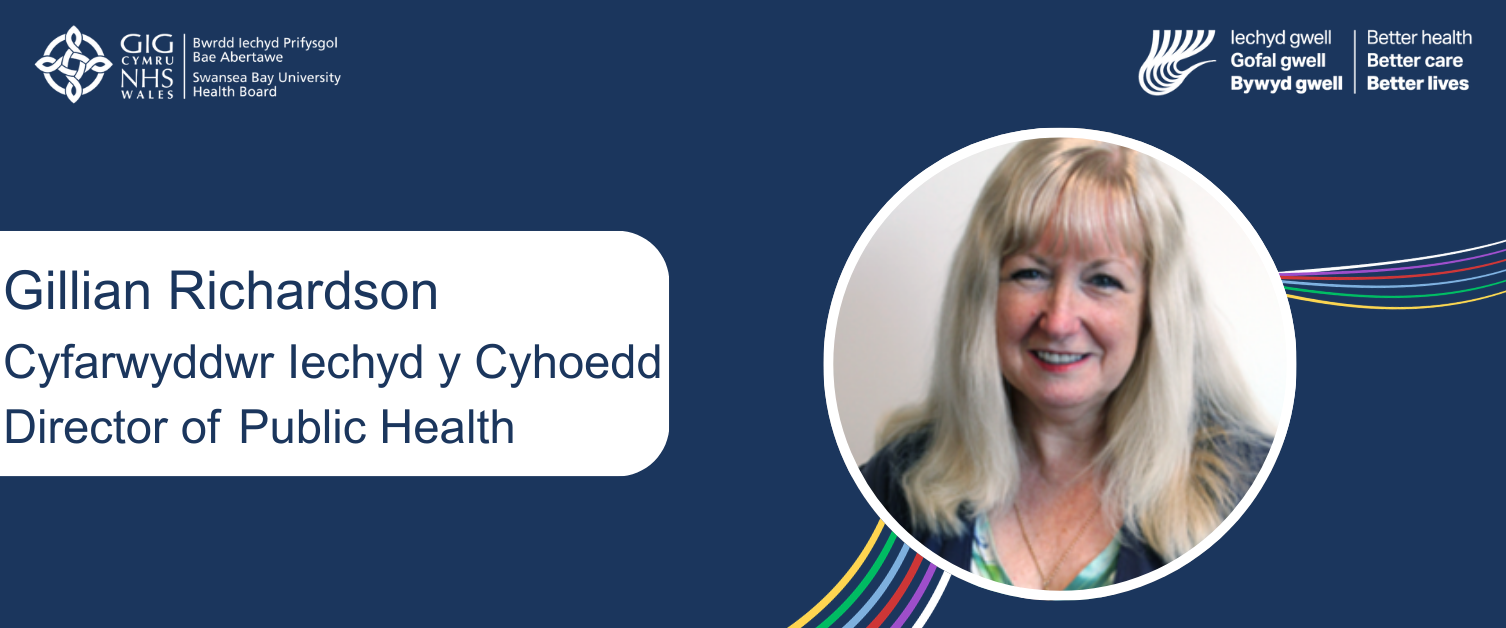
Following recent tragic news of the deaths of two University students in Kent, Swansea Bay UHB Director of Public Health, Gillian Richardson is urging parents and carers to check their children’s vaccination records and ensure they are fully protected against meningitis and other potentially fatal illnesses.
“Vaccination saves lives.
“The outbreak of Meningococcal disease in Kent is a stark reminder that infectious diseases can have fatal effects even in healthy young people.
“I urge all those caring for young children to take up their offer of childhood immunisations to protect from the many diseases that could re-surface if children are not immune, including meningitis, polio, measles and tetanus.
“It is also important that young people, supported by their families/carers, take up their teenage booster immunisations to protect against diseases including Meningococcal disease and the cancer-causing Human Papilloma virus.
“It’s up to us all to stay one step ahead of these preventable harms.”
Are you a parent/carer? - Not sure whether your child is vaccinated?
Are you a young person? - Missed out on the booster vaccines at school?
You can check their vaccination status by contacting your GP surgery or phoning the Swansea Bay UHB Immunisation Team on 01639 862323. If you are missing any vaccinations, you can book an appointment with the GP to get protected.
Why is vaccination essential?
Meningococcal disease is a life-threatening infection that can lead to meningitis or septicaemia. Although most people recover, some may suffer long-term physical, neurological or psychological complications, and in around 1 in 10 cases, it can be fatal. The strain of meningitis causing bacteria linked to the Kent outbreak has been included in the childhood vaccination programme since 2015.
It can affect anyone, but babies, young children, teenagers and young adults are at the highest risk.
What can you do now?
We encourage families/carers to:
- Check your child’s vaccination status today by calling your GP surgery, or our Immunisation Booking Team on - 01639 862323
- Contact your GP surgery if any doses may have been missed, and arrange an appointment to get protected.
- Discuss the MenACWY and 3-in-1 boosters (usually offered at school) with young people in your family.
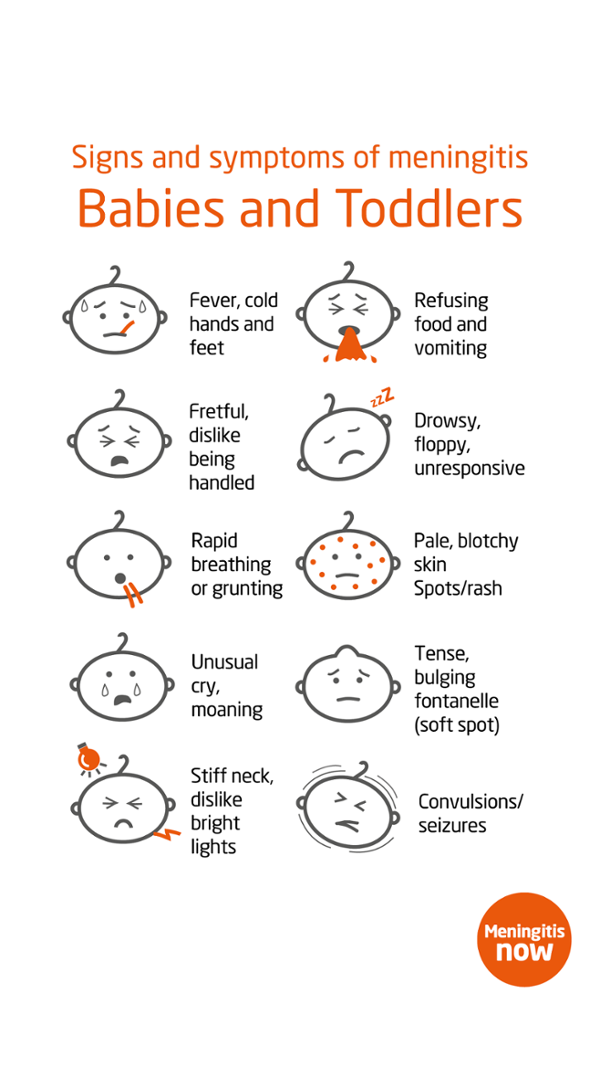
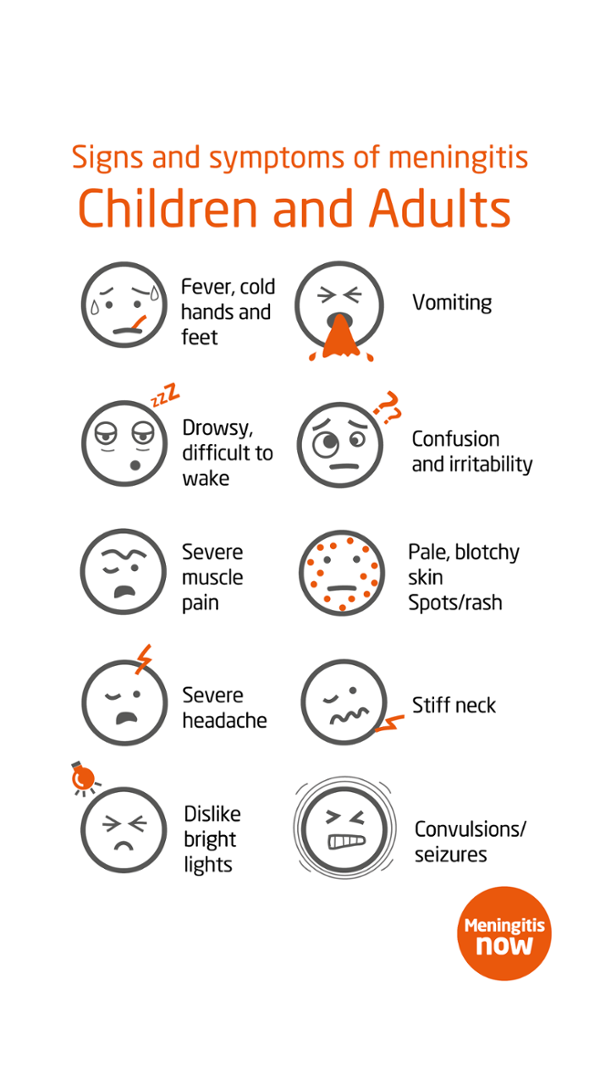
- Stay alert to symptoms of meningitis and septicaemia, and seek urgent medical advice if concerned.
We encourage young people to:
- Take up the offer of all school aged booster vaccinations including MenACWY.
- Stay alert to symptoms of meningitis and septicaemia, and seek urgent medical advice if concerned.
For more information on meningitis, follow this link to the NHS 111 Wales website.
For information on signs and symptoms of meningitis, follow this link to the Meningitis Now website.
For more information on all vaccinations offered here in Swansea Bay, follow this link.
Rydym yn croesawu gohebiaeth a galwadau ffôn yn y Gymraeg neu'r Saesneg. Atebir gohebiaeth Gymraeg yn y Gymraeg, ac ni fydd hyn yn arwain at oedi. Mae’r dudalen hon ar gael yn Gymraeg drwy bwyso’r botwm ar y dde ar frig y dudalen.
We welcome correspondence and telephone calls in Welsh or English. Welsh language correspondence will be replied to in Welsh, and this will not lead to a delay. This page is available in Welsh by clicking ‘Cymraeg’ at the top right of this page.